
Winter can be tough on roofs across the Midwest. Between Ohio’s freeze-thaw cycles, Kentucky’s heavy winds, and Indiana’s snow and ice, even the strongest roofing systems face constant stress. If your roof isn’t ready for the cold, small problems can quickly turn into leaks, ice dams, or even structural damage.
At Empire Contractors, we’ve seen how quickly winter weather can take a toll on homes. The best way to avoid emergencies is to prepare your roof for winter before the first snow falls. Here are five warning signs that your roof may not be ready for what’s coming.
1: Clogged Gutters
Clogged gutters might not seem like a big issue, but they’re one of the most common causes of winter roof damage. When gutters are packed with leaves or debris, melting snow has nowhere to go. The water backs up, freezes, and creates ice dams that push moisture under shingles. That trapped water can rot roof decking, stain ceilings, and damage your home’s foundation.
Before winter sets in, make sure gutters and downspouts are clear so water can drain properly. It’s a simple step that can save thousands in future repairs and keep your roof protected all season long.
2: Attic Moisture/Condensation
Your attic plays a bigger role in your roof’s health than most homeowners realize. Without proper ventilation, warm air from your home rises into the attic and condenses on cold surfaces. Over time, that moisture can cause mold, mildew, and even structural rot.
A well-ventilated attic allows air to circulate, balancing temperature and moisture levels. It also helps prevent ice dams and reduces energy costs. If you notice musty smells or damp insulation, it’s time to have your ventilation checked before temperatures drop.
3: Shingle Situations
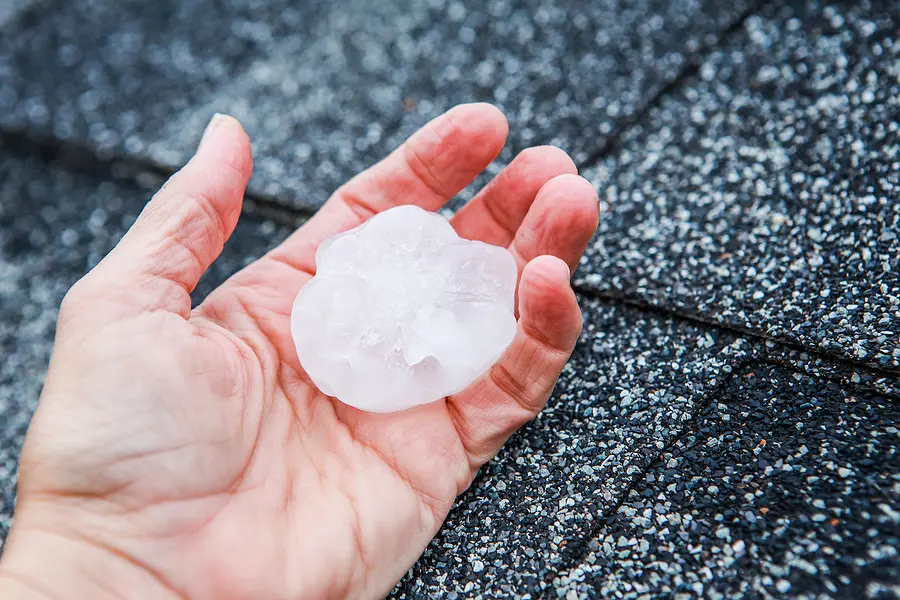
A quick look at your roof from the ground can tell you a lot. Missing, cracked, or curled shingles are warning signs that your roof may not stand up to heavy snow or strong winds. You might also notice loose granules in your gutters — a sign that shingles are wearing down and losing their protective layer.
Replacing a few damaged shingles now is far easier than fixing leaks mid-winter. A professional inspection can help determine whether small repairs are enough or if your roof needs more attention before the first freeze.
4: Flashing Damage
Flashing is the thin metal installed around chimneys, skylights, and vents to keep water out of seams and joints. When flashing becomes loose or rusted, those weak spots turn into entry points for moisture. During a winter thaw, that water can leak inside, causing interior damage that often goes unnoticed until spring.
If you see stains around your chimney or ceiling, or if flashing looks worn from the ground, it’s worth having it inspected. Replacing or resealing damaged flashing is one of the quickest ways to prevent winter leaks.
5. Structural Weakness or Sagging
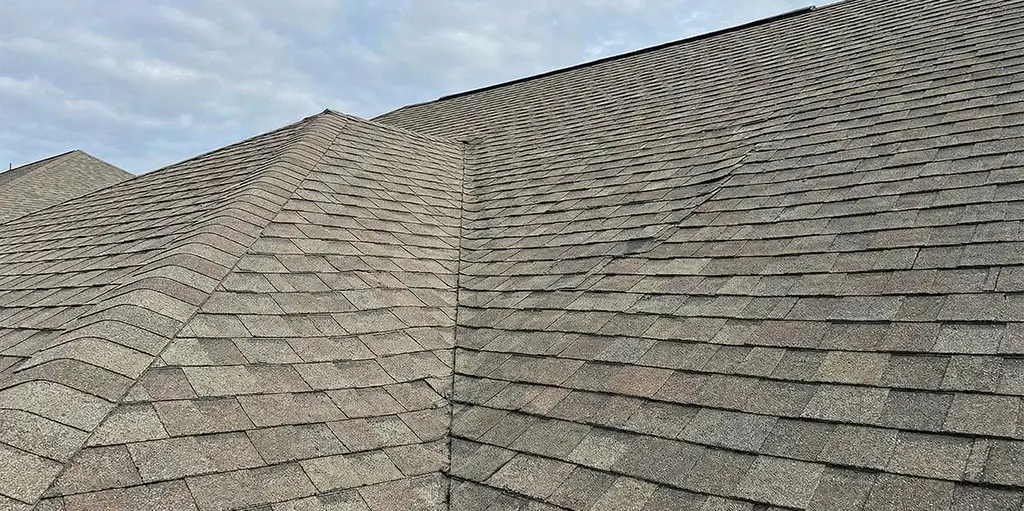
Sometimes the signs of roof trouble are hard to miss. If the lines of your roof appear uneven or sagging, there could be structural issues beneath the surface. Weakened rafters, moisture damage, or long-term neglect can cause sections of the roof to bow, and when heavy snow piles on, that stress can worsen fast.
If you notice these changes, call a professional immediately. Early intervention can often prevent a small problem from becoming a safety risk during the harshest part of winter.
Get Your Roof Ready for the Cold Season
If your roof shows signs of wear, now is the time to act. A professional inspection before winter can catch minor issues before they turn into major problems. Whether it’s resealing flashing, repairing shingles, or clearing gutters, small steps today can prevent leaks, ice damage, and costly repairs later.
At Empire Contractors, we help homeowners across Ohio, Kentucky, and Indiana prepare their roofs for winter with honest inspections, clear communication, and lasting solutions. Winter weather doesn’t have to be a threat with the right preparation; your roof can handle whatever the season brings.