Everyone knows the importance of a well-maintained roof. Keeping your roof clear of debris, scheduling regular inspections, and completing basic care tasks like gutter cleaning all lead to a solid, reliable lifetime for your roofing structure. But even then, weather happens. Big storms and falling debris can bring unexpected damage to your home. When that happens, you want to know you can rely on your contractor and insurance claims process to help you with repairs as soon as possible.
The good news is that most roofing contractors work with the insurance company to help expedite the process. But a lot of clients don’t really know what that means or what to expect. Let us help break it down for you.
What Type of Damage is Typically Covered by Insurance Claims?
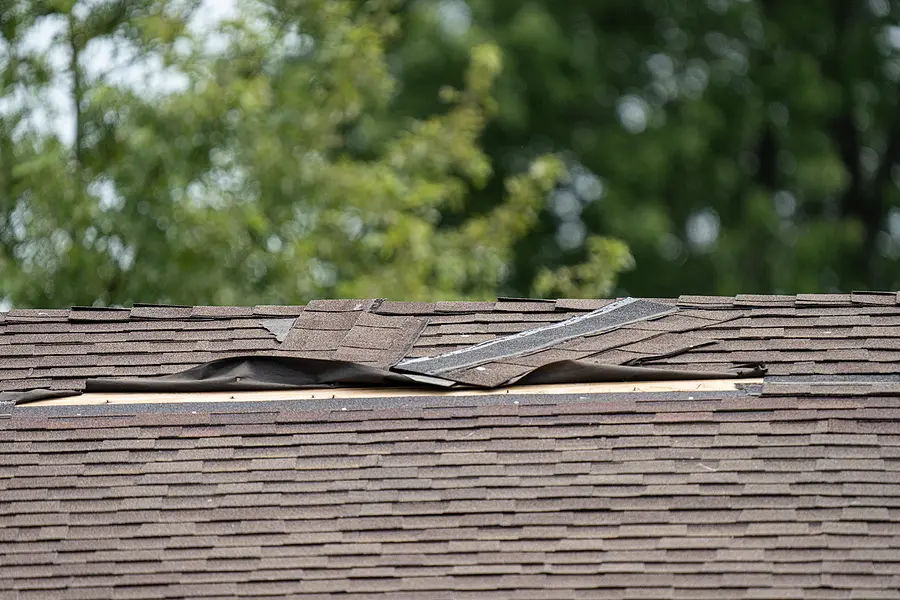
Most insurance agencies cover the most common types of damage done to roofs within certain parameters. This may differ depending upon your agency, policy, and location. But this is a general guide to help you get started.
Falling Objects: Debris is one of the most common types of damage done to roofing as it can be caused by environmental objects breaking free during heavy storms or high winds. Most insurance companies will cover repairs under your policy.
Storm or Wind: Likewise, damage caused by heavy rain or strong winds is extremely common and typically falls under a homeowner’s insurance policy. This goes hand-in-hand with repairs due to falling debris.
Snow and Ice: In places that experience high snowfall, ice dams and the weight of accumulated snowfall can cause real problems on your roof and underlying structure. Most policies do not cover snow removal, but they will cover damage done by the snow and ice.
Hail Impact: Hailstorms are a bombardment of roofing damage if it gets bad enough. Cracked shingles, damaged flashing, and leaks, all of which come from hail impacts. Not all policies cover his, but most insurance companies in areas with heavy winter weather do.
Fire and Smoke: On the other hand, we have damage caused by fire and smoke. It could be an electrical issue, a wildfire, or somebody who didn’t aim their fireworks very well. Most policies cover fire damage, even including secondary damage that can be the result of firefighters’ efforts.
Vandalism: In the event that someone intentionally and maliciously damages your roof or tampers with your roofing materials, your insurance company may cover the loss and repairs.
Why Do Insurance Claims Get Denied?
While most insurance companies do their best to cover the most common types of damage, some exclusions may apply. It’s important to take time and read your insurance policy so you know what is needed if and when something happens. Groups may deny or reduce insurance claims based on some of the following factors.
Preexisting Damage:
Every roof goes through normal wear and tear throughout the years. However, if the roof has not been well maintained or has fallen into disrepair, the insurance company may claim that the owner ignored their responsibilities and deny the claim.
You can help avoid this dispute through regular maintenance and inspections.
Cosmetic Only:
If the damage is unappealing but does not impede the function of the roof, it is likely your insurance company will deny the insurance claim as it is seen as superficial. Dents, minor granule loss, or anything that does not cause actual damage are considered aesthetic only.
You can help your case by taking photos of any damaged areas, fallen shingles, or suspected leaks that were not marked on previous inspections.
Poor Installation/Faulty Materials:
If your insurance company feels that the workmanship is faulty, the materials were shoddy, or that the installation was not done properly, they may deny the claim.
You can avoid this by always working with a licensed, qualified roofing contractor.
Waited Too Long:
If a homeowner takes too long to file a claim, the insurance company can claim neglect and deny or reduce the payment. This is often seen when a relatively small problem (like a leak) is ignored, and the problem becomes larger.
You can help by scheduling regular maintenance and inspections, especially after big storms.
How Do Deductibles Work?
When you sign an insurance policy, you are responsible for the agreed-upon deductible. A deductible is the amount that you, the homeowner, agree to pay out-of-pocket before your insurance policy takes over. This deductible will apply to claims for the most common damage, such as storm, debris, hail, and fire.
The two common types of deductibles are a flat rate deductible and a percentage-based deductible. A flat rate deductible is a fixed amount, often between $500 – $2500. A percentage-based deductible is typically between 1-5% of the home’s insured value. The homeowner is legally and contractually obligated to pay the deductible agreed upon before the insurance company steps in to cover the remaining costs.
Why Should I Get My Roof Inspected?
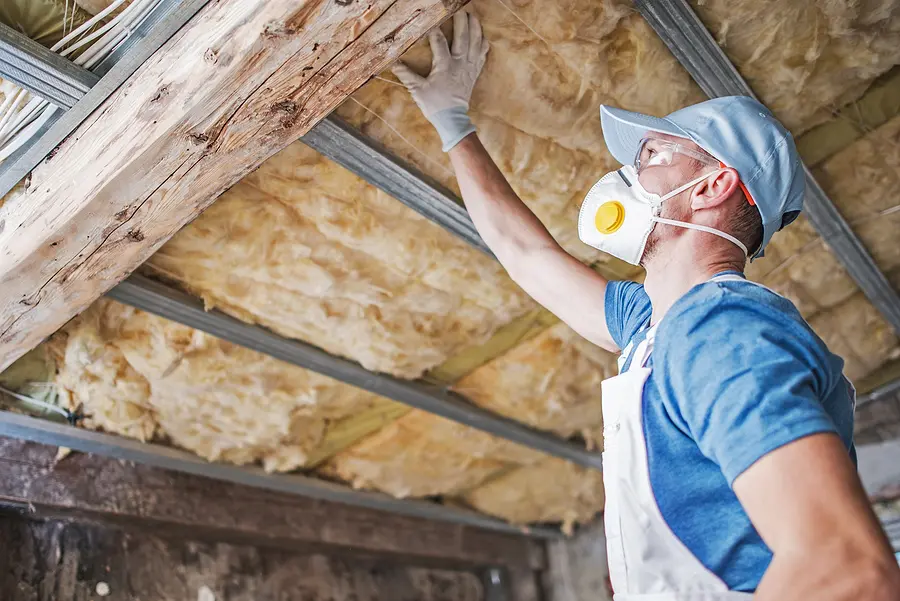
Regular roof inspections are a must if only for the sake of maintaining and caring for your roof in the long-term. However, as we have discovered, keeping good records of your roof inspections and maintenance can go a long way towards helping your insurance company cover your repairs quickly. If you work with a dedicated roofing contractor, most companies keep records on file of the work they have done for you over the years. And since most roofing contractors, Empire included, work directly with the insurance company to expedite your claim, it pays to have your recorded inspections and repairs catalogued. This shows the insurance company that you are a responsible owner.
What Else Do I Need to Know?
Don’t be afraid to ask questions. It’s easy to assume what your policy includes, but over time, your policy coverage may change. It never hurts to be kept up to date about what you’re paying for. And truthfully, most insurance companies would rather you be well-informed. It makes it easier for everyone to work together.
At Empire, we are your trusted roofing experts with extensive experience in Kentucky, Ohio, and Indiana. We have a dedicated staff that can help you with everything from inspections to insurance, so you’re not alone in the process. We’d love to become your roofing contractors, so let’s get started with a Free Inspection. Call us at (513) 951-6567.