
When homeowners notice water stains or leaks during winter, the roof often gets the blame. But in many cases, the real problem starts much higher — in the attic. Ice dams are a common winter issue in colder climates, and they’re usually caused by a combination of heat loss, insulation gaps, and poor ventilation.
Understanding how ice dams form is the first step toward preventing them and protecting your home.
What Is an Ice Dam, Exactly?
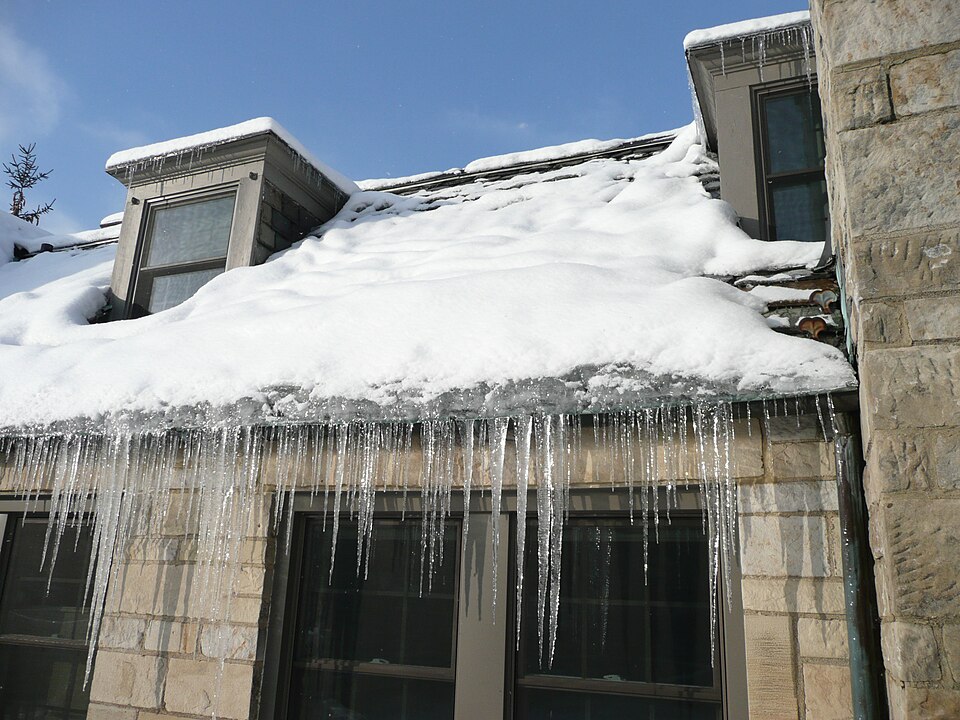
An ice dam forms when heat escapes from the attic and warms the roof surface. Snow on the roof begins to melt, then refreezes as it reaches the colder roof edges. Over time, ice builds up along the eaves, creating a “dam” that traps water behind it.
That trapped water can back up under shingles and into the home, leading to roof edge leaks, damaged insulation, stained ceilings, and even mold issues.
Why Ice Dams Are an Attic Problem, Not Just a Roofing Problem
Ice dams aren’t caused by shingles failing. They’re caused by uneven roof temperatures. When attic insulation is insufficient or air leaks allow warm air to escape, heat rises to the roof deck.
Without proper ventilation — such as balanced soffit and ridge vents — that heat can’t escape evenly. The result is a freeze-thaw cycle that creates ice buildup along the roof edge.
This is why simply removing snow or repairing shingles doesn’t solve the underlying issue.
How Attic Insulation Affects Ice Dam Formation
Insulation plays a major role in keeping warm air inside your living space and out of the attic. Gaps, compressed insulation, or outdated materials allow heat to rise and warm the roof from below.
Properly installed insulation helps maintain consistent temperatures across the roof surface, reducing the chance of melting and refreezing snow. It also improves overall energy efficiency during winter months.
The Role of Roof Ventilation in Preventing Ice Dams
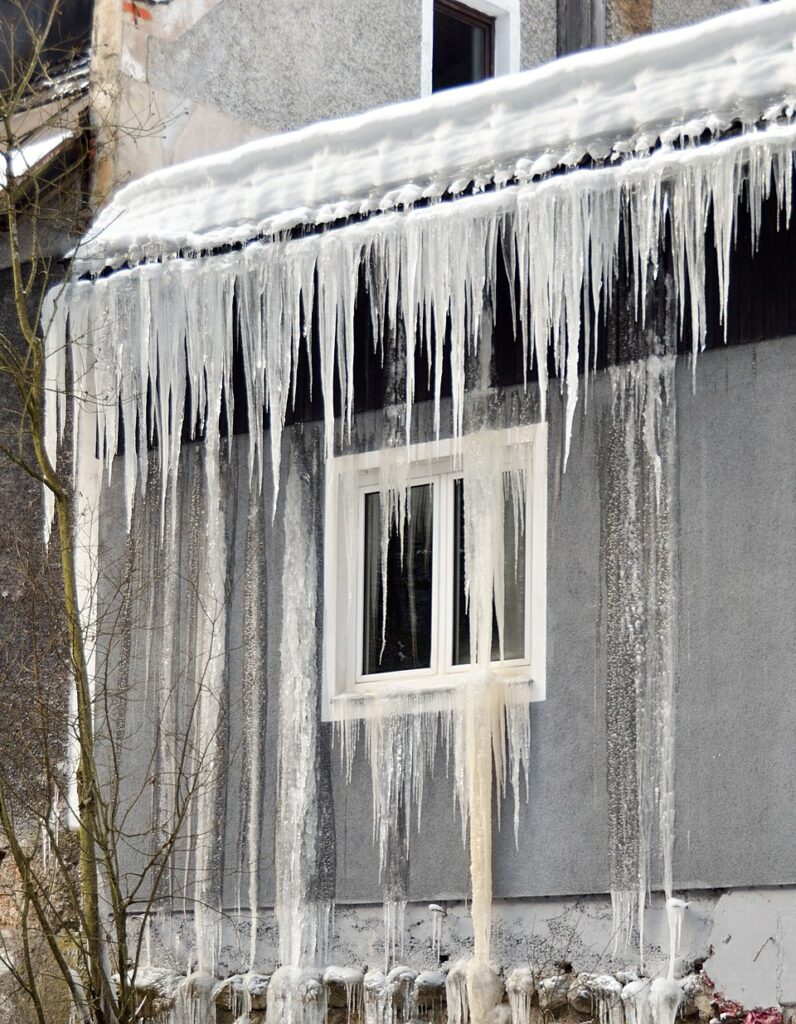
Ventilation allows cold air to enter through soffit vents and exit through upper vents, keeping attic temperatures closer to the outdoor air. When airflow is blocked or poorly designed, heat becomes trapped.
Balanced ventilation helps prevent hot spots on the roof and reduces moisture buildup inside the attic — both of which contribute to ice dam damage over time.
Practical Steps Homeowners Can Take This Winter
Preventing ice dams often involves a combination of improvements rather than a single fix. Homeowners can reduce risk by:
• Sealing attic air leaks around lights, hatches, and vents
• Upgrading or adding attic insulation where needed
• Ensuring soffit vents are clear and functioning properly
• Addressing ventilation issues before heavy snowfall
• Scheduling an attic or roof inspection if ice dams have occurred before
These steps help address the root causes instead of reacting after damage appears.
Ice Dams Are Especially Common in Older Homes
Homes built decades ago often lack modern insulation standards or balanced ventilation systems. That makes older homes more vulnerable to heat loss and winter moisture issues.
New homeowners may not realize their attic setup is contributing to roof problems until ice dams appear. Addressing these issues early can prevent repeated winter damage and costly repairs.
When to Call a Professional
If ice dams return year after year, it’s a sign that the attic system needs attention. A professional evaluation can identify where heat is escaping, how ventilation is performing, and whether insulation upgrades are needed.
Empire approaches winter roof issues by looking at the full system — insulation, ventilation, moisture control, and roofing — to provide long-term solutions rather than temporary fixes.
Protect Your Roof by Addressing the Real Cause
Ice dams don’t have to be a winter inevitability. With the right insulation, airflow, and attic design, many homes can significantly reduce their risk.
Concerned about ice dams or winter roof leaks? Contact Empire Contractors to talk through your home’s attic, insulation, and roofing system with an experienced local team.